Winter Property Maintenance: 2025-2026 Weather Outlook for the Lower Mainland
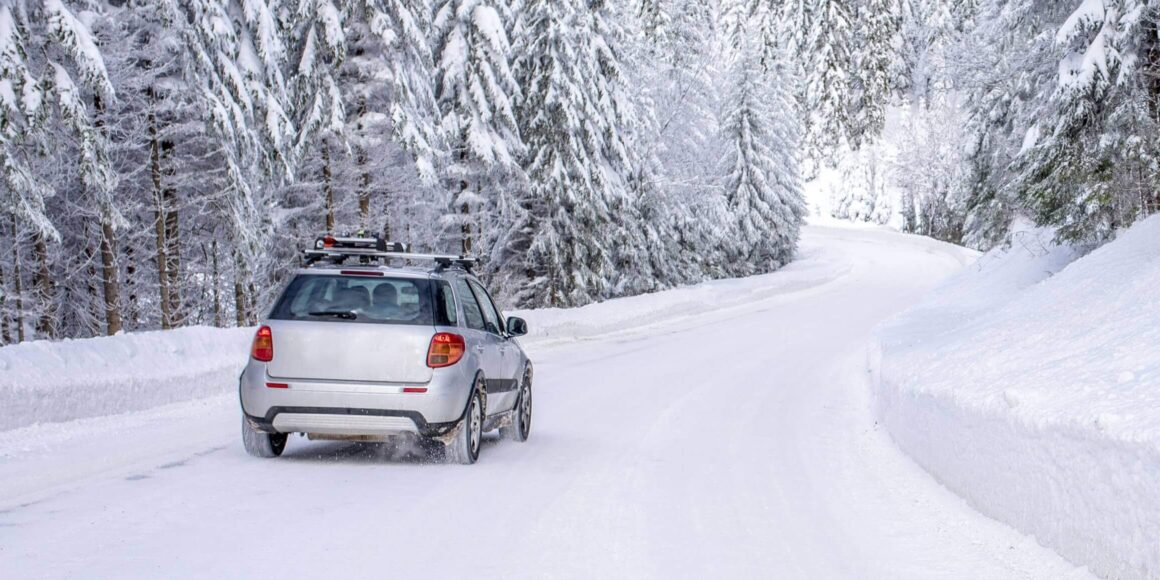
As the leaves turn and the air crisps in Metro Vancouver, thoughts inevitably shift to the months ahead – especially when it comes to winter property maintenance in Vancouver and the Lower Mainland.
Environment Canada’s early seasonal forecasts for the 2025-2026 winter point to a La Niña pattern influencing our region, potentially ushering in colder temperatures and above-average snowfall, particularly in December and January. For property managers, strata councils, and homeowners alike, this isn’t just weather chatter, it’s a call to action. Planning early can transform potential chaos into manageable routines, avoiding the scramble of emergency responses during those inevitable Pineapple Express follow-ups or Arctic outflows. In this guide, we’ll break down the outlook, its implications for your property, the pitfalls of procrastination, and practical steps to winter-proof your space.
Vancouver’s La Niña Winter Forecast: Key Weather Patterns Property Owners Need to Know
La Niña, the cooler phase of the El Niño-Southern Oscillation (ENSO) cycle, is expected to dominate this winter, according to updates from Environment Canada and aligned with NOAA predictions. This pattern typically steers cooler, moister air toward British Columbia, contrasting with the milder El Niño winters we’ve seen in recent years. Here’s a closer look at what’s anticipated for the Lower Mainland:
- Colder Than Average Temperatures: Models suggest dips of 2–3°C below normal, especially in the interior valleys and higher elevations like North Vancouver or Burnaby Mountain. Overnight lows could frequently hover around or below freezing, extending into early spring. This increases the risk of black ice formation, even on days that start mild.
- Above-Average Precipitation and Snowfall: Expect wetter conditions overall, with potential for multiple snow events back-to-back. The last strong La Niña winters, think 2021–22 and 2017–18 brought heavy dumps to areas like Surrey, Delta, and Coquitlam, overwhelming unprepared stratas. Coastal spots might see more rain-snow mixes, but inland, accumulation could exceed 20–30 cm in single storms.
- Variable Storm Patterns: While December and January look snowiest, February might bring intense freeze-thaw cycles as temperatures fluctuate. Long-range outlooks from sources like The Old Farmer’s Almanac and Farmers’ Almanac reinforce this, predicting widespread snowstorms and soaked coastal areas, with the Prairies’ cold spilling westward.
These forecasts aren’t set in stone, weather is fickle, but they’re based on robust models tracking ocean temperatures and atmospheric trends. For stratas, this means budgeting not just for snow but for the ripple effects on infrastructure – from freeze-thaw cycles that cause concrete cracks, to prolonged moisture stressing waterproofing, caulking, cladding, and roofing systems.
Winter Risks and Realities for Strata Properties in Vancouver
A La Niña winter amplifies everyday property challenges in the Lower Mainland’s already damp climate. Beyond the scenic blanket of white, proper strata property winter maintenance becomes essential – here’s how it could impact your building or complex:
- Freeze-Thaw Cycles and Structural Strain: Rapid temperature swings cause expansion and contraction in materials like concrete and asphalt, leading to cracks in walkways, parkades, and balconies. Water seeps in, freezes, and expands, exacerbating damage. Shaded or north-facing areas, common in dense urban stratas, are hit hardest, turning minor fissures into major repair bills come spring.
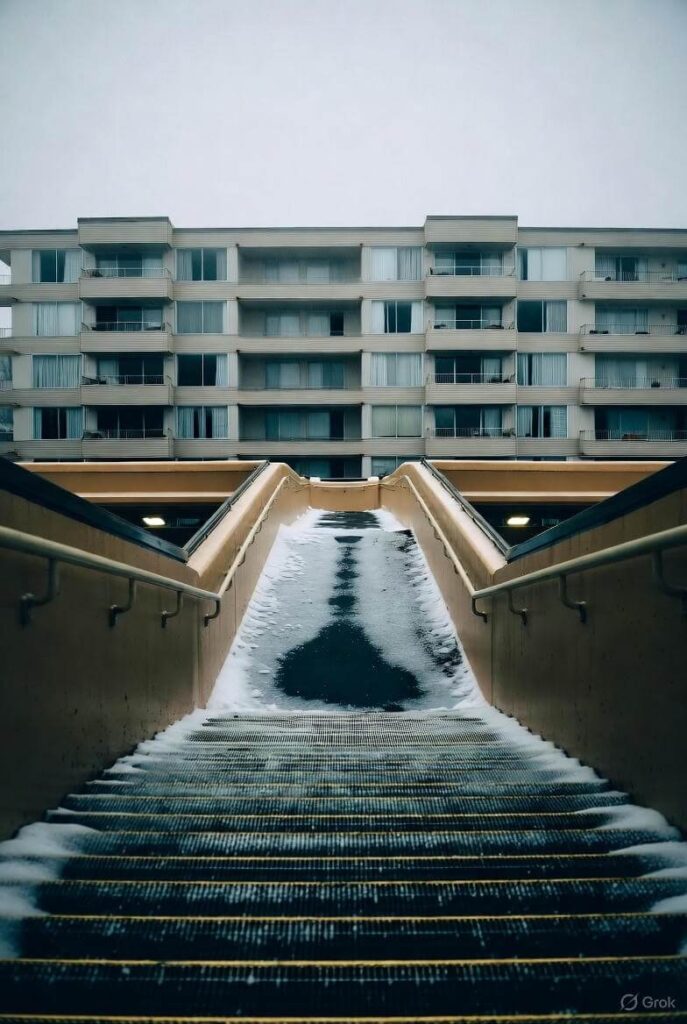
- Heightened Slip Hazards and Icing: With more overnight freezes, even light rain can create slick surfaces by morning. This necessitates proactive winter maintenance measures, including salting roads, walkways, parking areas, and other high-traffic zones before ice forms – not just reactive clearing after conditions become hazardous. Elevated properties or those with ramps (think Richmond high-rises or Langley townhomes) face amplified risks, as wind chills accelerate ice formation.
- Drainage Overload and Water Management: Heavier precipitation strains scuppers, gutters, and downspouts. Blocked drains lead to ponding, which freezes into hazardous ice sheets. In low-lying areas like Delta or Surrey, this could compound with groundwater rise, risking basement flooding or envelope breaches.
For multi-unit buildings, these issues aren’t isolated – they affect shared spaces, potentially leading to resident complaints, insurance claims, or even temporary closures of amenities like pools or gyms if snow load becomes a concern.
Why Delaying Snow Removal and Winter Maintenance Costs Strata More?
In a region where snow is sporadic but severe, the “wait and see” approach is tempting, but costly. Here’s why delaying winter prep can snowball into bigger problems:
- Premium Pricing During Peaks: Emergency services during the first major storm can cost 20–30% more due to high demand. Professional crews, already stretched thin, prioritize contracted clients, leaving last-minute callers with inflated rates or long waits. This is especially true for those who haven’t secured a snow removal service in advance.
- Booking Bottlenecks: By mid-November, top providers like GC West are often fully booked for the season. Missing this window means settling for less experienced operators, who might lack the equipment for efficient clears or the insurance for liability coverage.
- Liability and Legal Risks: If an accident occurs on uncleared common property, a resident slipping on icy steps or a vehicle skidding in a parkade, the strata bears the brunt. Without proactive measures, proving due diligence in court is tough, potentially leading to settlements in the tens of thousands. Insurance premiums could rise 10–15% post-claim.
Factor in indirect costs like lost productivity (residents stuck at home) or property devaluation from visible neglect, and the math is clear: Early investment yields long-term savings.
Lower Mainland Winter Property Maintenance Checklist: What to Prepare Now
The good news? You have time to get ahead. Start with these practical winter property maintenance tips and preparations tailored to the forecasted La Niña conditions:
- Set Your Trigger Depths: Define snow accumulation levels (e.g., 2.5–5 cm) that automatically prompt service. This ensures timely response without overkill, balancing cost and safety.
- Designate Snow-Dump Zones and Check Drainage: Identify safe piling areas away from doors, vents, and landscaping to prevent meltwater issues. Clear gutters and drains now to avoid backups, a quick inspection can reveal clogs from fall leaves.
- Review Insurance and Coverage: Confirm your policy includes winter-related claims and that any contractors (like salting crews) carry WorkSafeBC certification. Update bylaws if needed to clarify resident responsibilities versus strata duties.
- Opt for a Fixed-Rate Plan: Lock in predictable pricing with a comprehensive winter program. This covers salting, plowing, and monitoring, shielding your budget from storm surprises.
For property managers considering different winter maintenance options, it is important to understand the challenges and potential risks of handling snow removal internally. Our guide on DIY snow removal explores the hidden costs, safety concerns, and reasons why professional plowing services can provide a more reliable solution.
Incorporate resident education too, share tips via newsletters on personal vehicle prep or reporting hazards promptly.
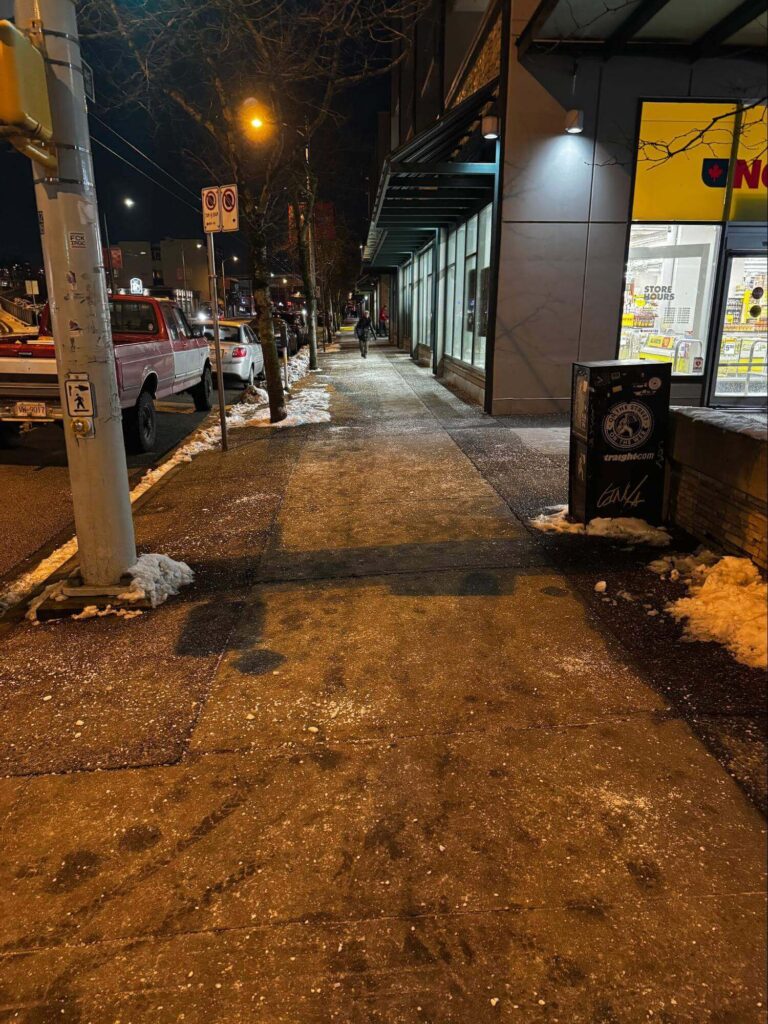
Looking Back: What the 2021-2022 La Niña Winter Can Teach Strata Properties
Flash back to the 2021-2022 La Niña season: A Vancouver strata, caught off-guard by back-to-back storms, relied on ad-hoc volunteers for clearing. Delays led to multiple slips, a $40,000 claim, and tense council meetings. Switching to a pro strata maintenance service mid-season cost them a premium, but the lesson stuck, early contracts saved them 25% the following year with zero incidents. As forecasts echo similar patterns for 2025-2026, don’t repeat history; learn from it.
Conclusion: Secure Your Property Before the Chill Sets In
The 2025–2026 winter outlook for the Lower Mainland signals a shift toward colder, snowier days, demanding smarter property management. By understanding the forecast, anticipating risks, and preparing proactively, you can protect your investment and community from unnecessary stress.
At GC West, our 2025–2026 Winter Program is designed for exactly this, featuring 24/7 weather monitoring, automatic dispatch at 0°C thresholds, and discounted fixed pricing for early sign-ups. ❄️ Contact us before the first freeze at info@gcwest.ca or visit our website, peace of mind starts with preparation.