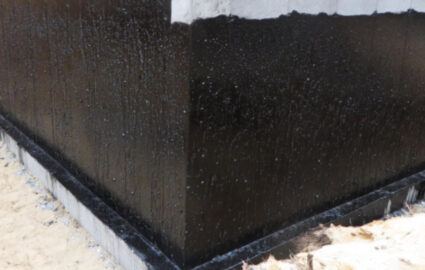
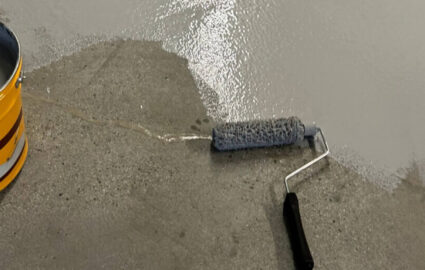
Blue Skin Waterproofing in Vancouver
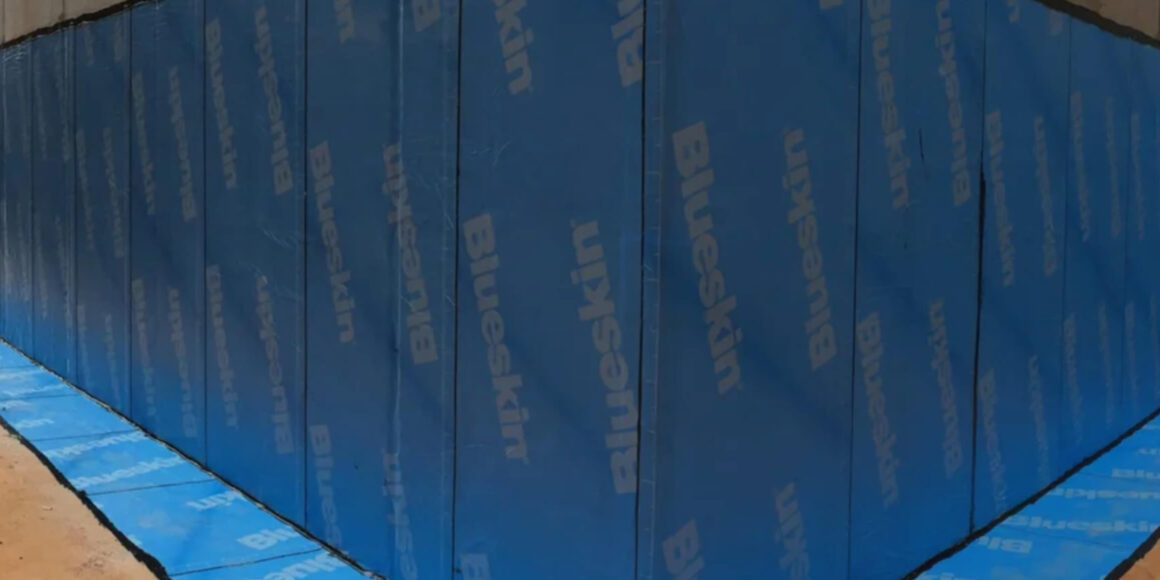
When it comes to construction, waterproofing often gets overlooked, and unfairly so. In fact, we would argue that waterproofing is one of the most important investments for protecting concrete buildings in Metro Vancouver’s wet climate.
Here in this guide, we explain where blue skin waterproofing systems are used, how they work in strata and condo buildings, and what property managers and strata councils should know to help prevent water damage and extend the lifespan of concrete structures, especially in Vancouver and the BC Lower Mainland area.
What Are Blue Skin Waterproofing Systems?
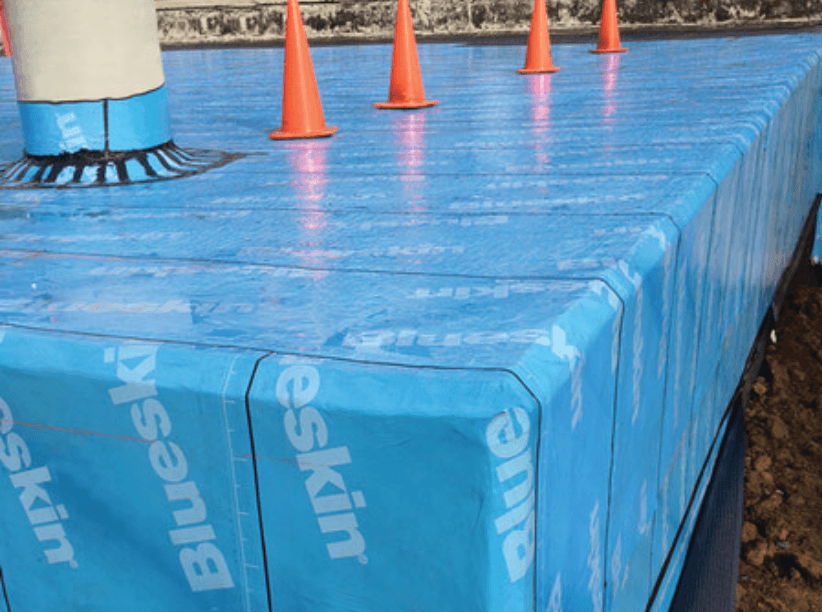
Blue skin waterproofing systems are self-adhered sheet membranes designed to create a continuous barrier against water infiltration. Instead of being mechanically fastened, they use peel-and-stick membrane technology to bond directly to properly prepared surfaces.
These membranes are commonly installed as part of the building envelope and below-grade waterproofing systems. They help prevent moisture from reaching structural concrete while integrating with window flashing, air barriers, vapour barriers, and drainage components.
One of the most recognized products is the Blueskin WP200 membrane, which is frequently specified for foundation walls and other below-grade applications where reliable moisture protection is essential.
Common applications include:
- Foundation waterproofing membrane systems
- Exterior wall assemblies
- Window flashing details
- Air and vapour barrier transitions
- Below-grade concrete walls
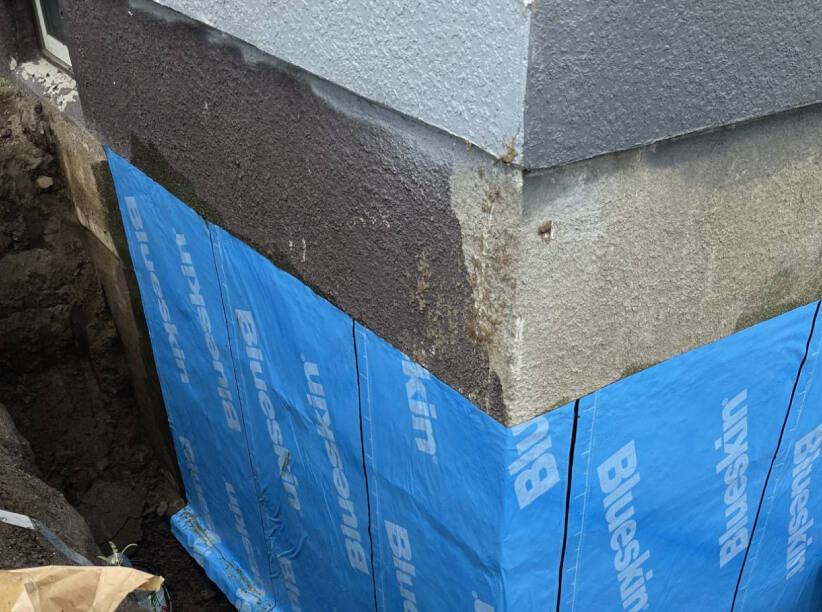
Where Is Blue Skin Waterproofing Used in Your Building?
Waterproofing membranes are installed in several critical areas where moisture exposure is highest. Proper installation helps protect both structural components and interior spaces from long-term water damage.
Typical applications include:
- Foundation walls (for blue skin foundation waterproofing)
- Underground parkades and retaining walls requiring parkade waterproofing
- Exterior wall assemblies within the building envelope
- Window openings using blue skin waterproofing windows detailing
- Elevator pits and below-grade mechanical rooms
- Podium structures exposed to moisture
Because Vancouver receives significant rainfall throughout the year, these waterproofing systems play an important role in protecting commercial and strata buildings.
Why Blue Skin Waterproofing Matters
Water often enters a building slowly, and the damage may remain hidden for years before visible problems appear – but then it’s too late. Solution? A properly installed membrane that helps stop moisture before it reaches structural concrete.
Benefits are simply undeniable:
- Protection against water intrusion into below-grade structures
- Corrosion protection for reinforcing steel
- Extended lifespan of concrete structures
- Reduced long-term repair and maintenance costs
- Improved building envelope performance
- Long-term durability through a continuous self-adhered membrane system
Many buildings also use blueskin basement waterproofing to help protect underground levels from groundwater infiltration.
Common Problems With Blue Skin Waterproofing Membranes
Most waterproofing failures are not caused by the membrane itself – they result from installation mistakes or poor integration with surrounding building systems.
Here are some of the most common issues:
- Inadequate surface preparation before installation
- Poor seam detailing around corners and penetrations
- Membrane damage during backfilling operations
- Drainage systems that fail to move groundwater away from the foundation
- Aging membranes that begin separating from concrete over time
A blue skin waterproofing membrane performs only as well as the installation behind it. Even a properly selected blue skin membrane on concrete can fail if detailing is overlooked. In some projects, additional systems such as epoxy membrane waterproofing may be recommended depending on site conditions and performance requirements.
Signs Your Building May Have Waterproofing Failure
Waterproofing problems rarely appear overnight. Most buildings develop warning signs before significant structural deterioration occurs. If you manage a strata, condo, or commercial building, we recommend conducting regular inspections and watching out for:
- Water leaks inside underground parkades
- White mineral deposits (efflorescence) on concrete walls
- Persistent basement dampness
- Cracks with active water seepage
- Rust staining on concrete surfaces
- Musty odours in below-grade areas
These symptoms often indicate that the existing blueskin waterproofing system or other below-grade waterproofing components require professional evaluation.
Steps to Take if the Issue Appears
If you suspect waterproofing failure, avoid delaying an inspection. Small problems are usually much less expensive to repair than widespread moisture damage.
A typical assessment (based on the ones that our team does) includes the following elements:
- Visual inspection of affected areas
- Engineering evaluation where necessary
- Moisture testing and mapping
- Review of drainage performance
- Development of a repair strategy
Working with an experienced waterproofing contractor in Vancouver helps determine whether localized repairs or full replacement is the most appropriate solution. Choosing the correct blue skin for waterproofing depends on the building’s age, construction details, and current condition.
How Blue Skin Waterproofing Membranes Are Installed in Strata and Condo Buildings
Although every building is different, successful blue skin waterproofing installation follows a consistent process. Proper workmanship is just as important as selecting the right membrane, as even small installation errors can create hidden pathways for water.
A typical installation includes the following steps:
- Surface preparation
Concrete is cleaned, repaired, and primed where required to create a sound substrate and ensure proper membrane adhesion. - Membrane application
The waterproofing membrane is applied to the exterior side of the foundation or below-grade walls using peel-and-stick technology. - Critical detailing
Seams, corners, penetrations, joints, and transitions are carefully sealed to maintain a continuous waterproof barrier. - Drainage integration
Foundation drainage boards, drainage pipes, and other water-management components are installed to redirect groundwater away from the structure. - Quality control
The completed system is inspected before backfilling to verify membrane continuity and identify any damaged areas that require repair.
Many people searching for how to apply blue skin waterproofing assume the membrane alone provides complete protection.
In reality, long-term performance depends on every component working together. Improper installation can allow moisture to bypass the membrane, leading to concealed water intrusion, concrete deterioration, corrosion of reinforcing steel, and costly structural repairs.
Choosing the Right Contractor for Membrane Waterproofing Systems and Blue Skin Waterproofing
Selecting a waterproofing contractor involves much more than choosing someone familiar with a particular membrane product. The quality of the installation ultimately determines how well the waterproofing system performs over the long term.
Experienced contractors understand that self-adhered membrane systems require:
- Thorough surface preparation
- Careful detailing around joints and penetrations
- Proper sequencing with other building envelope components
- Correct integration with drainage systems
- Consistent quality control throughout installation
Even the highest-quality blue skin waterproofing membrane can fail prematurely if these details are overlooked.
Rather than recommending a single solution for every project, a qualified contractor should evaluate the building’s age, structural design, site conditions, groundwater exposure, and maintenance history before selecting the most appropriate waterproofing system.
In some cases, Blue Skin membranes may be the ideal choice. In others, liquid-applied membranes, epoxy systems, or hybrid waterproofing assemblies may provide better long-term performance.
For property managers and strata councils, investing in proper installation is often far less expensive than dealing with recurring leaks, concrete repairs, or premature membrane replacement.
At GC West Construction, we work with property managers, strata councils, building owners, and developers throughout Vancouver, including North Vancouver and West Vancouver, as well as Burnaby, New Westminster, Richmond, Surrey, Coquitlam, Port Coquitlam, Port Moody, Langley, and White Rock.
If you need Blue Skin waterproofing for your multi-unit residential or commercial building in BC Lower Mainland, our team can provide expert guidance, detailed condition assessments, and reliable waterproofing solutions tailored to your property’s needs.