Epoxy Membrane Waterproofing in Vancouver: What Property Managers Need to Know
Water damage is one of the most common and costly problems affecting strata and commercial buildings in Metro Vancouver. Constant rain, moisture exposure, and underground water infiltration can slowly weaken concrete structures and create expensive repair issues.
Proper epoxy membrane waterproofing helps protect parkades, podiums, balconies, and commercial surfaces from long-term deterioration.
In this guide, our experts explain how epoxy waterproofing systems work, where they are commonly used, and what property managers should know to maintain safe, durable, and water-resistant buildings across Vancouver and the BC Lower Mainland.
What Is Epoxy Waterproofing Membrane?
An epoxy waterproofing membrane is a protective coating system designed to prevent water penetration into concrete and structural surfaces. It creates a durable barrier that helps protect buildings from moisture-related deterioration, corrosion, and structural damage.
These systems are commonly used in commercial and strata properties because they combine waterproofing performance with strong resistance to wear and chemicals.
Many property managers ask us, “Can epoxy be used for waterproofing?” The answer is yes: epoxy systems are widely used in commercial waterproofing services because they bond strongly to concrete and provide long-term protection in demanding environments.
Typical functions include:
- Preventing water infiltration
- Protecting reinforcing steel from corrosion
- Extending the lifespan of concrete structures
- Improving resistance to traffic and abrasion
- Reducing future maintenance costs
Epoxy systems are especially effective in areas exposed to constant moisture and vehicle traffic.
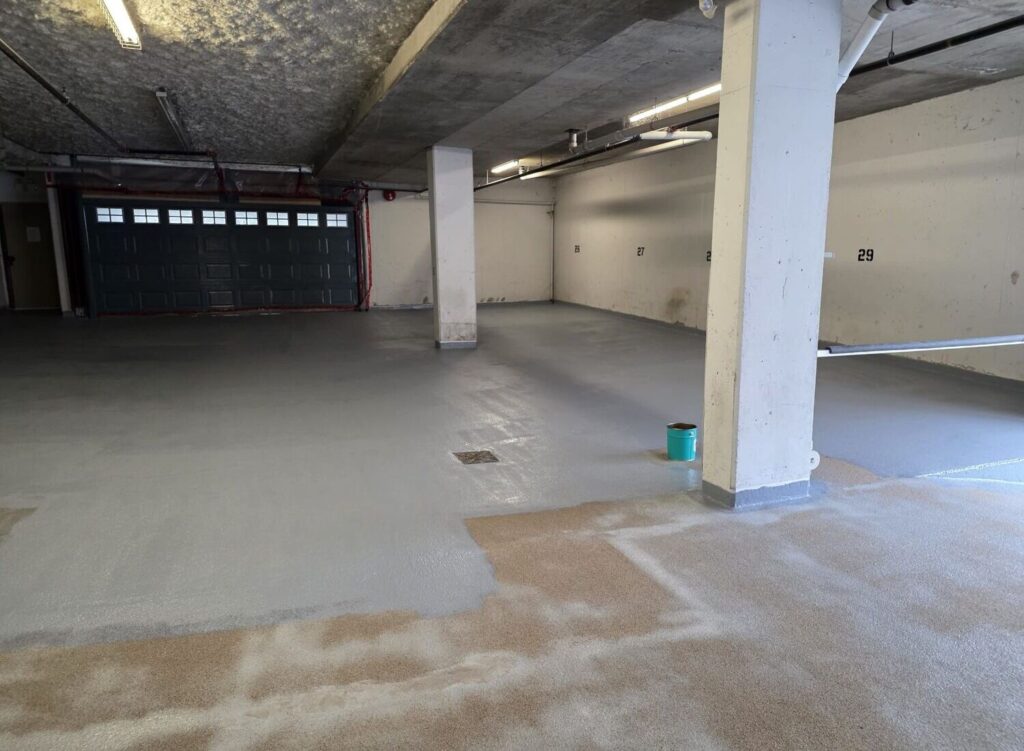
Where Epoxy Waterproofing Is Used in Commercial and Strata Buildings
Modern waterproofing systems are used across many areas of strata and commercial buildings. Their versatility makes them suitable for both interior and exterior applications.
Common applications include:
- Parking garages & underground parkades
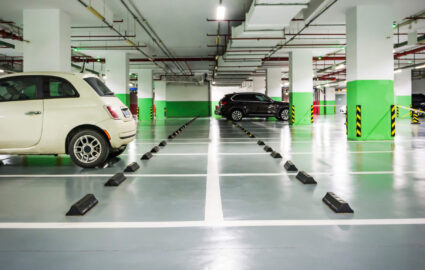
One of the most common uses for parking garage waterproofing is protecting suspended concrete slabs and traffic areas in underground parkades. These environments are constantly exposed to water, road salts, and vehicle traffic. - Concrete slabs & podium decks
Epoxy deck waterproofing systems help prevent water penetration into podium structures and elevated slabs. This is especially important for mixed-use and multi-level buildings. - Balconies & walkways
Balcony surfaces are exposed to rain year-round in Vancouver. Waterproof coatings protect concrete from cracking and surface deterioration. - Mechanical rooms & utility areas
Moisture control is critical in utility spaces. Epoxy coatings provide additional protection in areas with plumbing systems and water exposure. - Common areas & commercial spaces
High-traffic commercial environments benefit from waterproof systems that resist abrasion and surface wear. - Basement structures
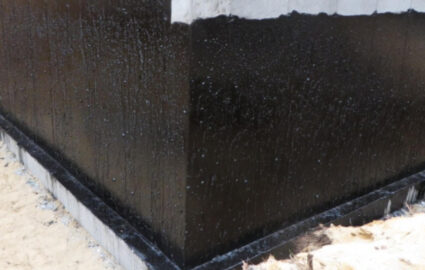
Basement waterproofing epoxy systems are often used to help control moisture intrusion and protect below-grade concrete structures.
Benefits of Epoxy Membrane Systems for Your Building
Choosing the right waterproofing system can significantly reduce long-term repair costs. Epoxy-based waterproofing systems offer several important advantages for strata and commercial properties.
Key benefits include:
- Strong adhesion to concrete surfaces
- Excellent resistance to water penetration
- Chemical and abrasion resistance
- Durable performance in high-traffic environments
- Reduced maintenance requirements over time
- Protection against concrete deterioration and corrosion
These systems are especially valuable in Vancouver’s wet climate, where buildings face constant moisture exposure throughout the year.
Proper waterproofing also improves safety by helping maintain stable, protected walking and driving surfaces.
How Epoxy Waterproofing Membrane Is Installed
Effective waterproofing with epoxy depends heavily on proper installation and preparation. A high-quality system requires multiple layers working together to protect the structure.
Most epoxy waterproofing membrane systems include:
- A primer for surface adhesion
- A membrane layer for waterproofing protection
- A protective topcoat for durability and wear resistance
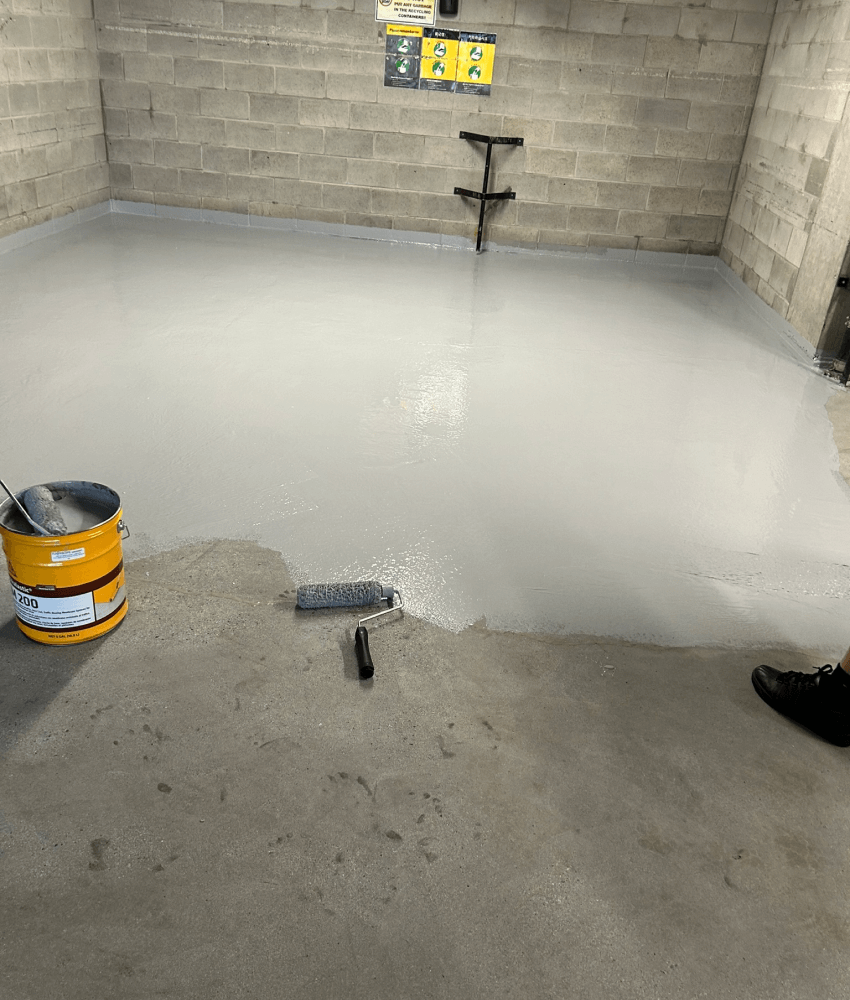
The installation process typically includes the following five steps.
Step 1. Surface Preparation
Concrete surfaces must be cleaned and prepared properly. This often includes:
- Grinding
- Shot blasting
- Crack repair
- Removal of contaminants
Proper preparation ensures strong membrane adhesion.
Step 2. Primer Application
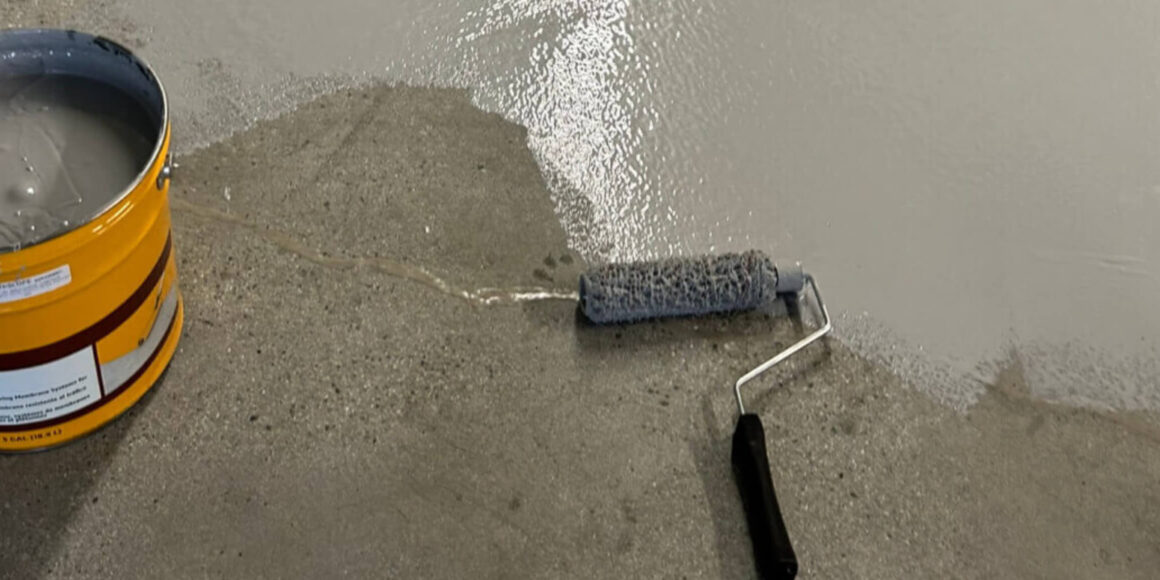
A primer coat is applied to create a bonding layer between the substrate and membrane system.
Step 3. Membrane Installation
The epoxy membrane is applied evenly across the surface to create a continuous waterproof barrier.
Step 4. Protective Topcoat
In high-traffic environments such as parkades, a topcoat may be added for additional abrasion resistance and durability.
Step 5. Inspection & Curing
The final stage includes inspection and curing to ensure proper performance before the surface is returned to service.
How Long Does Epoxy Waterproofing Last?
The lifespan of epoxy waterproofing for concrete depends on several factors, including:
- Surface preparation quality
- Traffic volume
- Environmental exposure
- Maintenance practices
- Type of waterproofing system used
In many commercial applications, epoxy waterproofing systems can last 10–20 years or longer when properly maintained.
To ensure proper condition, property managers should inspect waterproofing systems:
- Annually for general conditions
- After visible leaks or moisture issues
- Following major freeze-thaw cycles or structural repairs
Over time, localized repairs or partial recoating may be required to maintain full protection and prevent larger failures. Preventive maintenance is significantly more cost-effective than full structural rehabilitation.
Common Signs Your Building Needs Epoxy Waterproofing Repair
Waterproofing systems rarely fail all at once. Most buildings show warning signs before serious damage develops.
Common indicators include:
- Water leaks in parkades or underground levels
- Surface bubbling or membrane separation
- Cracks in concrete surfaces
- Rust staining or exposed reinforcing steel
- Spalling concrete
- Persistent moisture or standing water
- Damp walls or ceilings
In some cases, epoxy injection waterproofing or concrete crack injection may be required before membrane repairs can proceed. These repair methods help seal active leaks and restore structural protection before applying new coatings.
Professional assessment is important to determine whether localized repairs or full waterproofing replacement is necessary.
Epoxy Waterproofing vs. Other Waterproofing Methods
Several waterproofing systems are commonly used in commercial construction. Each method has advantages depending on the project requirements.
#1 Epoxy Waterproofing
Epoxy liquid waterproofing systems are known for:
- Strong adhesion
- High durability
- Chemical resistance
- Traffic resistance
They are often preferred in parking garages, commercial floors, and heavy-use environments.
#2 Liquid-Applied Membranes
These systems provide seamless coverage and flexibility but may not always offer the same abrasion resistance as epoxy systems.
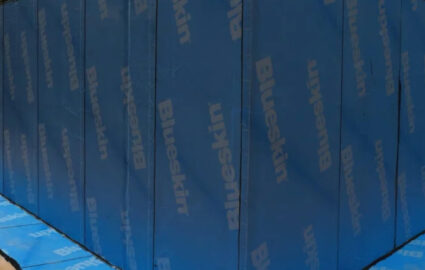
#3 Sheet Membranes
Sheet systems are commonly used below grade but require careful seam installation and detailing.
#4 Cementitious Waterproofing
This method is often used for interior waterproofing applications but may not perform as well under heavy traffic conditions. Epoxy systems are generally preferred when durability, traffic resistance, and long-term performance are priorities.
Choosing the Right Epoxy Membrane Waterproofing Contractor in Vancouver and the BC Lower Mainland
Choosing the best epoxy membrane waterproofing contractor in Vancouver requires careful evaluation. Waterproofing systems protect critical structural components, so proper installation and expertise are essential.
If you are a property manager or a building owner, we recommend looking for contractors with:
- Experience in commercial and strata waterproofing
- Knowledge of Vancouver building conditions and climate
- Expertise in crack repair and concrete restoration
- Strong safety practices
- Proven project management capabilities
- Familiarity with high-performance membrane systems
Experienced contractors understand the challenges created by Vancouver’s rainfall, underground moisture exposure, and long-term concrete deterioration.
At GC West Construction, we work with property managers, building owners, and developers throughout Vancouver, Burnaby, Richmond, Surrey, Coquitlam, Port Moody, Langley, White Rock, and across the BC Lower Mainland.
If you are planning or maintaining epoxy membrane waterproofing systems for your strata or commercial building, our team can provide expert guidance, condition assessments, and reliable long-term solutions tailored to your project.