Foundation Wall Damp Proofing: Protecting Commercial and Multi-Unit Buildings from Moisture Damage
Vancouver’s long wet seasons make below-grade moisture protection an important part of commercial and strata building maintenance. Effective foundation wall damp proofing can help control ground moisture, protect concrete, and reduce the risk of deterioration, mold, recurring repairs, and a shortened building service life.
Here in this article, we talk about the importance of choosing a moisture protection system suited to actual site conditions. If you’re a property manager, strata council, or building owner, you will find this information really helpful. Let’s begin!
What Is Foundation Wall Damp Proofing?
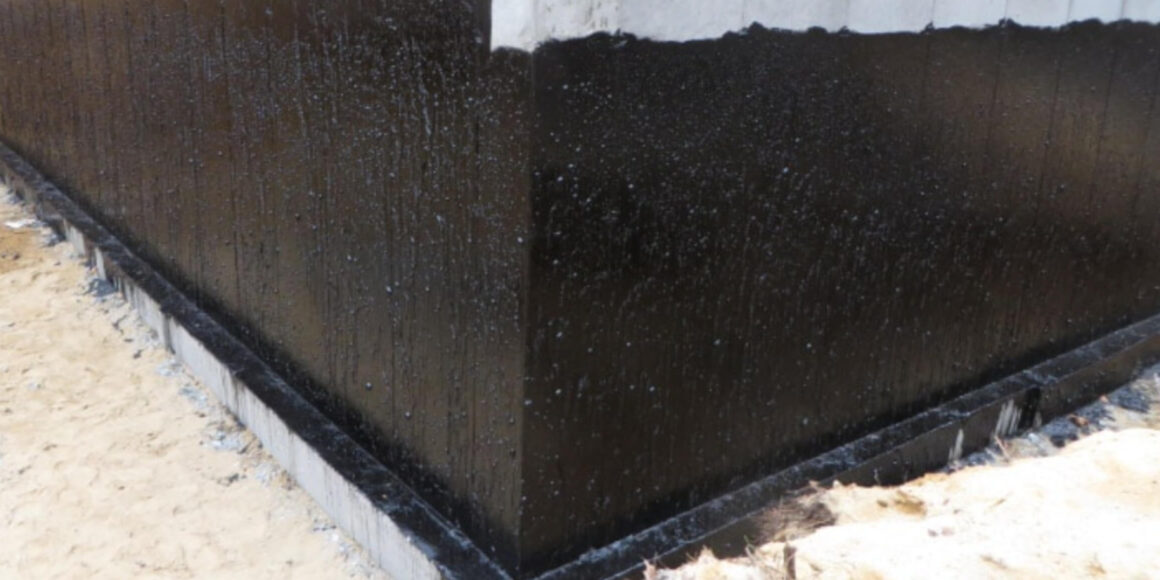
What is damp proofing in building construction? Essentially, it’s the application of a moisture-resistant coating or barrier to a foundation surface. Its primary purpose is to limit the movement of ground moisture through below-grade walls when that moisture is not under significant hydrostatic pressure.
A damp proofing foundation system is commonly applied to concrete or masonry walls that come into contact with soil. Depending on the building and site conditions, it can form part of the moisture management strategy for foundations, underground structures, parkades, and other below-grade areas.
How long does damp proofing last? There is no single lifespan that applies to every building. Performance depends on the product, installation quality, drainage, soil conditions, foundation movement, and exposure to moisture. Regular inspections are therefore important, especially on older commercial and multi-unit properties.
Why Moisture Protection Matters for Commercial & Strata Buildings
Concrete is durable, but below-grade walls remain exposed to moisture from the surrounding soil. Cracks, inadequate drainage, penetrations, changing groundwater conditions, and poor grading can all create pathways for moisture or water to reach a foundation.
Proper damp proofing foundation walls can help limit moisture migration and protect the building over the long term. For commercial and strata properties, this may contribute to:
- Reduced moisture penetration through concrete walls
- Lower risk of moisture-related deterioration
- Better protection of reinforcing steel from corrosionReduced potential for mold and musty
- conditions
- Longer service life for foundation components
- Lower long-term maintenance and repair costs
Effective concrete foundation damp proofing should also be considered as part of a broader building waterproofing strategy. Drainage, grading, crack repairs, and other building-envelope components all influence how successfully a structure manages water.
Signs Your Building May Need Foundation Wall Damp Proofing
Moisture problems often develop gradually. Recognizing them early can prevent a localized issue from becoming a more expensive repair.
How do you know that your foundation damp proofing requires inspection, repair, or replacement? Look out for the following signs:
- Damp or visibly discoloured foundation walls
- White mineral deposits, known as efflorescence
- Persistent musty odours
- Mold or mildew
- Water stains and peeling finishes
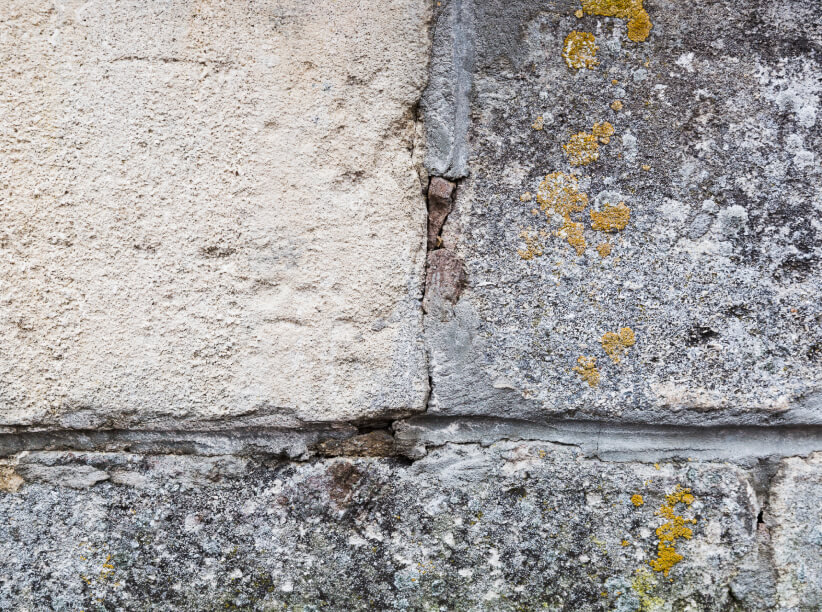
- Visible cracks in concrete
- Recurring dampness following heavy rainfall
- Moisture around wall penetrations or wall-to-floor interfaces
As for the moisture entering foundation walls, common causes include poor site drainage, cracks and joints, wall penetrations, high groundwater, flooding, and hydrostatic pressure.
If cracking is contributing to the problem, concrete foundation crack repair may be required before applying a new damp proofing in foundation system. Treating the surface without addressing the underlying pathway can leave the original problem unresolved.
Foundation Wall Damp Proofing Solutions
Unfortunately, there is no universal foundation moisture solution. The appropriate approach depends on the condition of the wall, accessibility, drainage, groundwater conditions, and how the below-grade space is used.
A typical commercial project may involve:
- Inspecting and preparing the foundation surface.
- Repairing cracks, gaps, and deteriorated concrete.
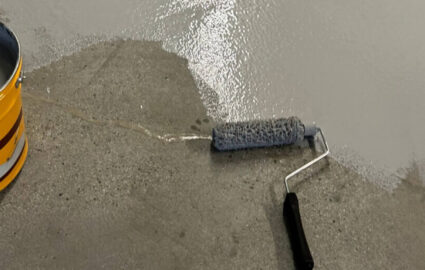
- Applying a damp-proof coating or foundation damp proofing membrane.
- Installing protective or drainage layers where required.
- Improving perimeter drainage or grading.
- Coordinating the work with adjacent building-envelope systems.
Exterior treatment is generally preferable because it addresses moisture before it enters the foundation assembly. Drainage membranes and perimeter drainage can also help move water away from foundation walls.
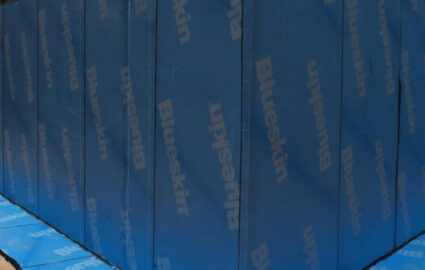
Would we recommend damp proofing during foundation repairs or renovations? Yes! This is often an ideal time to assess moisture protection. When foundation walls are already exposed, necessary repairs and systems such as blue skin waterproofing can be evaluated before backfilling or completing surrounding work.
Damp Proofing vs. Waterproofing: What Is the Difference?
The main distinction is the level of water exposure each system is designed to handle.
Damp proofing is intended primarily to resist soil moisture and liquid water that is not under hydrostatic pressure. Waterproofing systems are designed to provide greater protection against liquid water, including conditions where water pressure develops against the foundation.
So, when should you use damp proofing vs. waterproofing foundation systems?
Damp proofing may be appropriate where drainage conditions are good and the primary concern is ground moisture. Full waterproofing is generally the more suitable approach where there is significant rainfall exposure, poor drainage, a high water table, recurring leakage, or hydrostatic pressure.
In Vancouver, this distinction deserves particular attention – we believe that a contractor should assess actual site conditions rather than automatically specifying one system for every property.
How Much Does Foundation Wall Damp Proofing Cost?
The damp proofing foundation cost varies considerably between projects. There is no reliable flat rate because accessibility and existing conditions can have a major impact on the amount of work required.
Important cost factors include:
- Size and depth of the foundation
- Accessibility around the building
- Excavation requirements
- Existing concrete condition
- Number and severity of cracks
- Surface preparation requirements
- Damp-proofing material selected
- Drainage improvements
- Need for additional waterproofing
- Restoration and backfilling requirements
For existing buildings, excavation can represent a substantial part of the project. Landscaping, nearby structures, utilities, access restrictions, and active building operations can further affect complexity.
A site assessment is therefore the most reliable way to establish an appropriate scope and budget.
Protecting Vancouver Buildings from Foundation Moisture Issues

Foundation moisture problems are easier to manage when they are identified early. Regular inspections, effective drainage, timely crack repairs, and correctly specified damp proofing foundation wall systems can reduce the likelihood of larger problems developing behind finished surfaces or below grade.
Professional project management is particularly important for occupied strata and commercial properties. Work may need to be coordinated around tenants, utilities, access requirements, consultants, and other contractors while maintaining safe building operations.
At GC West Construction, we work with property managers, strata councils, building owners, and developers in Vancouver, including North and West Vancouver, as well as Burnaby, New Westminster, Richmond, Surrey, Coquitlam, Port Coquitlam, Port Moody, Langley, and White Rock.
If you are planning foundation wall damp proofing for a commercial, strata, or multi-unit building, contact GC West Construction for an assessment. Our team can help evaluate existing conditions and recommend a practical moisture protection solution tailored to your property and project requirements.