Common Water Leakage Causes & Solutions for Strata & Condo Buildings in Vancouver
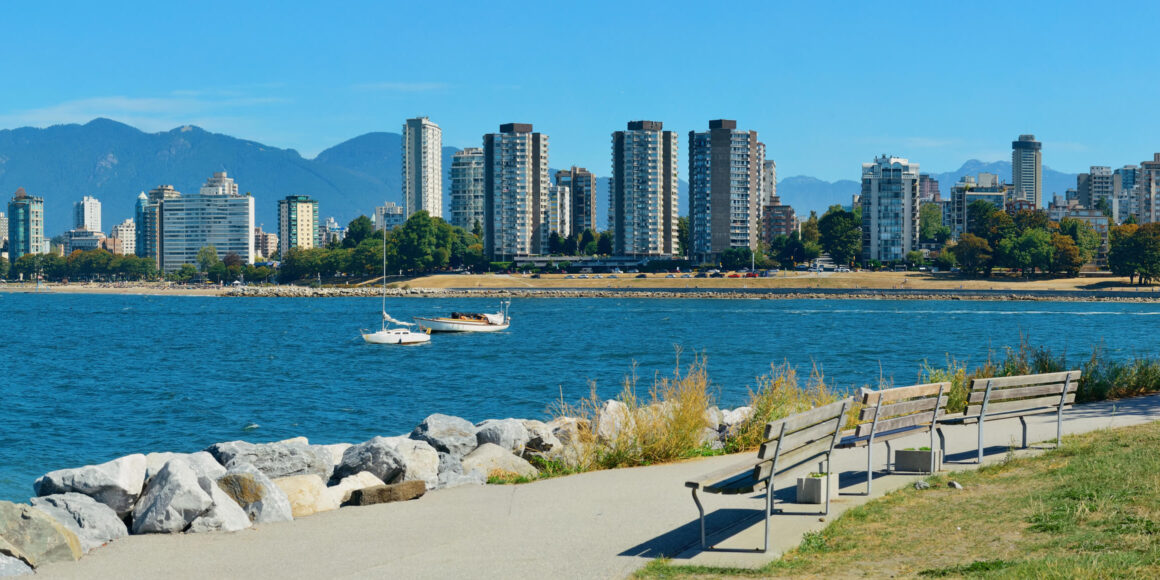
Heavy rain is something we all have to deal with as West Coast Canadians. Months of steady rainfall in BC can expose or create weaknesses in roofs, balconies, windows, and foundations. Over time, even small defects can turn into serious condo water leakage or costly strata water damage. Leaks are common in high-rise and low-rise properties during the rainy season in Vancouver. In this article, we’ll cover key causes of water leakage, how to spot the early warning signs, and what solutions strata councils can implement to prevent major repairs.
Why Vancouver’s Rainy Season Increases Water Leakage Risks
The coastal climate across BC places continuous stress on the region’s multi-unit residential buildings.
Rainfall in Vancouver is often not only heavy but sustained over long periods. This means strata and condo properties are exposed to repeated wetting cycles, high humidity, and temperature shifts that challenge even well-designed building envelopes.
When maintenance is deferred and materials begin to age, the risk of moisture intrusion increases significantly.
- Prolonged Rainfall and Moisture Exposure: Weeks of steady rain saturate roofing assemblies, exterior walls, and balcony surfaces. Once materials reach a saturated wet point, even minor deficiencies can allow water to migrate inward. Small membrane splits or flashing gaps can result in ceiling water leakage in upper-floor units. Continuous exposure also prevents assemblies from fully drying between storms.
- Wind-Driven Coastal Rain: Storm systems across Western Canada and coming in off the Pacific along the coast produce strong winds that force rain horizontally against buildings. This pressure pushes water into window perimeters, cladding joints, and ventilation penetrations. Over time, this can lead to window failures and water leakage from floor tiles near exterior wall lines.
- Freeze-Thaw Cycles: Although Vancouver’s winters are relatively mild though not always, cold temperature fluctuations still occur. Moisture trapped in cracks expands when frozen, widening gaps in concrete, stucco, and masonry. These enlarged openings allow additional water entry during subsequent rainfall and degrade the state of a property even quicker.
- Aging Building Stock in Metro Vancouver: A significant portion of strata buildings are more than two decades old. Sealants dry out, roofing membranes lose flexibility, and flashing components corrode. Without timely renewal, these aging systems become vulnerable points for infiltration.
Common Causes of Water Leakage in Strata & Condo Buildings
In multi-unit residential buildings, a leak rarely begins with a dramatic structural failure. It just doesn’t happen. Instead, most leaks develop slowly, originating from small deficiencies that go unnoticed until visible damage appears inside a unit.
This could be a minor separation in a flashing joint, a hairline crack in exterior cladding, or aging sealant around a window frame that allows moisture to enter the assembly. In time, repeated exposure to rain and humidity compounds the problem, with water migrating beyond its original entry point.
Moisture always saturates, often unseen. Sadly, by the time staining appears on a ceiling or moisture shows along baseboards, the source of the water or moisture is often several feet away from where the symptoms present.
In large part, roof installation and roof assemblies remain one of the most common contributors to water leakage. Aging membranes lose elasticity, the panel seams separate, and poorly detailed flashing around vents, parapets, and mechanical penetrations can all create issues. Even small lapses in installation quality can allow water leakage roof issues to develop gradually.
Similarly, the building envelope itself plays a critical protective role to any multi-unit building. Cracked stucco, deteriorated sealant joints, and compromised expansion joints reduce the structure’s ability to shed water effectively.
When the roof envelope can no longer perform as a continuous barrier, moisture begins to infiltrate wall cavities.
Balconies and podium decks are another frequent point of failure. Regular strata and condo balcony maintenance can help identify deteriorating waterproofing membranes, drainage issues, and other early warning signs before they result in water intrusion. Waterproofing membranes beneath tile or concrete toppings degrade over time, especially when drainage slopes are not properly set up. Trapped water accelerates deterioration and eventually finds pathways into interior living spaces below.
Window water leakage is equally common, typically caused by the sealant breaking down, improper integration with the surrounding weather barrier, or aging frame components that allow wind-driven rain to bypass defenses.
Drainage systems also play an essential role in determining what happens when there is a water leak or how sustained water exposure impacts your property.
Blocked gutters, undersized downspouts, and poorly maintained scuppers can redirect water toward vulnerable areas rather than away from the building. Internal plumbing failures within common areas or vertical risers introduce another layer of risk, particularly when leaks remain concealed behind walls. At the foundation level, cracks and below-grade penetrations allow groundwater to enter parkades and lower floors when perimeter protection systems deteriorate.
Because waterproofing systems are designed to function as interconnected layers, the failure of a single component can compromise adjacent materials. Moisture follows the path of least resistance, exploiting transitions between systems where detailing is weakest.
Professional waterproofing services focus on evaluating these transition points, assessing material condition, and addressing small deficiencies before they escalate into widespread structural damage.
Early Warning Signs of Water Leakage in a Multi-Unit Residential Property
Detecting problems surrounding moisture and water leaks early dramatically reduces repair costs in the long-term.
- Do not ignore water leakage from ceiling areas after heavy rain
- Water stains on walls or around windows signify there is a leak somewhere in need of address
- Peeling paint or bubbling drywall is a warning sign
- Musty odors and visible mold are signs of moisture in places it shouldn’t be
- Damp balconies or wet parkade ceilings
- Recurring building water leaks in the same location
If leaks return after each rainfall, the issue is structural and not cosmetic, meriting an evaluation. A prompt investigation by a professional prevents hidden moisture from damaging insulation and framing.
How Water Infiltration Affects Condos and Strata Buildings
When water gets into a condo or strata building, the results can be catastrophic, especially when it continues over an extended period of time.
- Structural wood rot and corrosion
- Mold growth and indoor air quality concerns
- Decreased energy efficiency due to wet insulation
- Rising repair costs over time
- Insurance claims and higher deductibles
- Resident disruption during remediation
As evidenced, unchecked moisture affects more than finishes and small leaks escalate quickly if ignored.
Effective Solutions to Prevent and Repair Water Leakage
Water leak prevention and ensuring you have a dry property is always going to be far more cost-effective than emergency repairs, especially in strata and condo buildings where water damage can escalate quickly.
Strata management can significantly reduce their building repair costs by implementing a proactive maintenance plan that addresses all critical building components as it pertains to water leak risks.
This should include a comprehensive building envelope inspection, regularly scheduled roof assessments and maintenance, and following through on replacing balcony membranes as the materials age.
Often forgotten about, window and door resealing programs, along with regular drainage and gutter cleaning, are also essential to prevent water accumulation in a multi-unit building. When you budget in advance and schedule appropriate, you can almost certainly avoid major water leaks and structural failures.
A proper water leakage repair strategy will focus on identifying and addressing the root cause, rather than simply treating visible damage.
When residents ask how to stop water leakage from wall surfaces, the solution often involves repairing exterior cladding or flashing systems, highlighting the importance of an accurate, professional diagnosis.
When to Hire a Professional Waterproofing Contractor
Some water leaks are borderline emergencies and many of these situations require immediate action. Strata councils should arrange a water leakage inspection when:
- Leaks recur after storms
- Multiple units report moisture issues
- Visible mold appears in common areas
- Balcony slabs show signs of deterioration
- Insurance providers request documentation
Delaying assessment increases the scope of remediation. Moisture spreads within walls and ceiling cavities. Post-storm inspections are especially important after extreme rainfall events in Metro Vancouver.
Early intervention reduces liability and long-term repair costs.
Water Leakage Repairs for Strata & Condo Buildings in Vancouver & BC Lower Mainland
Strata properties are not a type of building that can be easily repaired. They require coordinated repair planning. The work often involves work on multiple units, evaluating common property areas, and securing the necessary building management approvals.
GC West supports strata councils and property managers with fast, long-term water leakage repair solutions. All of our projects align with local codes and municipal requirements. Repairs are always carefully carried out to reduce disruption to residents. From targeted membrane replacement to larger leaky condo repairs in Vancouver, professional oversight from our team ensures successful repair results.
If you are searching for water leakage repair near me, early assessment is critical and our team can help.
Contact us for a professional water leakage assessment for your strata or condo building. Proactive action during Vancouver’s rainy season protects both property value and resident safety and satisfaction.