Strata Balcony Maintenance to Prevent Rot and Structural Damage
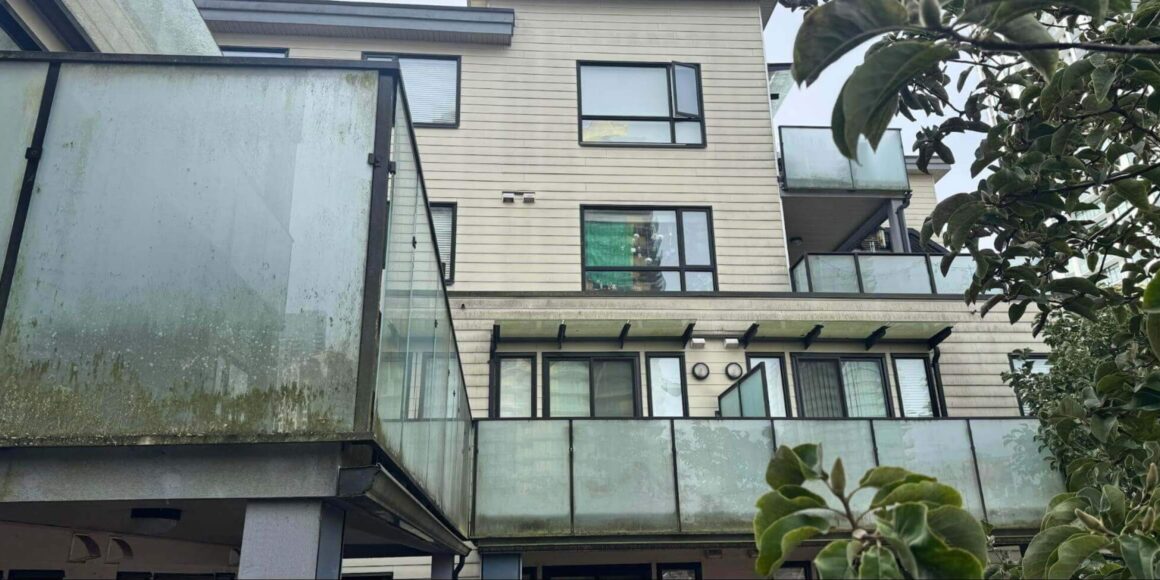
Living in the Lower Mainland means embracing the beauty of lush greenery, misty mornings, and that ever-present Pacific Northwest rain. But with all that moisture comes a sneaky adversary: balcony rot. In our damp climate, it’s not a question of if rot will appear, it’s when. In our damp climate, it’s not a question of if rot will appear, it’s when. Early strata balcony maintenance and inspections can prevent major structural repairs costing thousands. This insidious issue often hides behind fascia boards, soffits, or beneath waterproofing membranes, quietly spreading until you’re facing major structural repairs that could cost thousands. The silver lining? Early detection is possible if you know the telltale signs. In this guide, we’ll dive deep into spotting rot, understanding why it escalates so quickly, and arming yourself with preventive strategies to keep your balcony safe and sound.
What Causes Balcony Rot and How Strata Maintenance Can Prevent It?
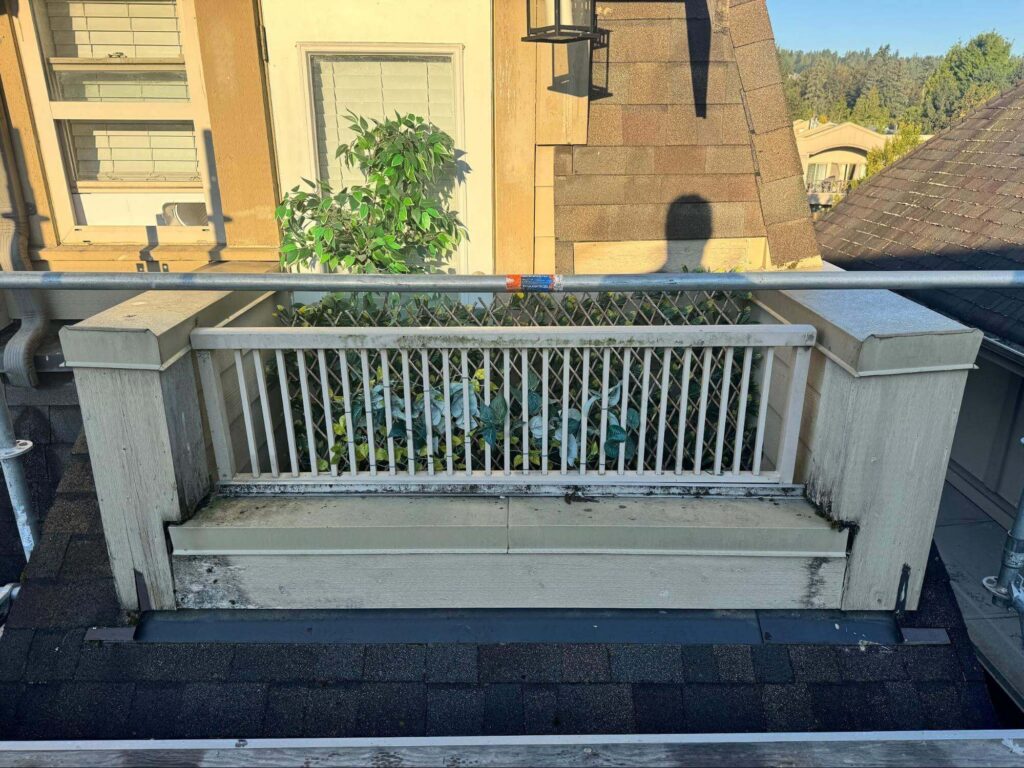
Before we jump into the signs, let’s set the stage with a quick primer on what balcony rot really is. Rot, or wood decay, is primarily caused by fungi that thrive in moist environments. In the Lower Mainland, where annual rainfall can exceed 1,200 millimeters, water is the ultimate culprit. It seeps into wood through tiny cracks, failed seals, or poor drainage, breaking down the cellulose fibers that give wood its strength. Over time, this turns sturdy beams and joists into mushy, weakened structures that may require professional balcony restoration if left unaddressed.
Balconies are particularly vulnerable because they’re exposed to the elements on all sides. Unlike interior wood, balcony components face direct rain, wind-driven moisture, and even snow in higher elevations. If your building is older, say, from the 1980s or ’90s boom, materials like untreated wood or early-generation membranes might accelerate the problem. Strata properties, common in areas like Vancouver or Surrey, often see collective neglect leading to widespread issues. But knowledge is power; recognizing early warnings and following proper condo balcony maintenance or performing balcony restoration can prevent a small problem from becoming a full balcony collapse nightmare.
Balcony Rot Warning Signs: What Strata Properties Should Watch For
Spotting rot early requires a keen eye and a bit of proactive poking around. Don’t wait for obvious disasters like sagging floors, by then, the damage is done.
Here are the most common warning signs of balcony damage, with real-world examples to help you identify issues on your own balcony.
- Soft or Spongy Deck Boards: This is often the first tactile sign. Press down on your deck boards, especially near railings, corners, or where the balcony meets your door threshold. If it feels like stepping on a wet sponge, rot is likely underway. In the Lower Mainland’s climate, these areas collect water from pooling rain or melting snow. For instance, if you’ve noticed your outdoor rug staying damp longer than usual, it’s time to investigate underneath.
- Discoloration or Swelling Under Paint or Membrane Surfaces: Look for dark stains, bubbling, or peeling on painted surfaces or vinyl membranes. Swelling might appear as warped boards or uneven textures. These visual cues indicate moisture trapped beneath, feeding decay fungi. A common spot? Around planters or furniture legs where water sits. If your balcony’s membrane is over 10 years old, it’s especially prone, aging materials crack and let water in.
- Rust Stains or Bubbling on Fascia Boards: Fascia boards (the vertical trim along the edges) often show rust from corroding nails or hardware, signaling chronic moisture exposure. Bubbling paint here is a dead giveaway of swelling wood underneath. In coastal areas like Richmond or Delta, salt-laden air can exacerbate rust, speeding up the process. Check after a storm; if stains appear fresh, moisture is actively infiltrating.
- Loose Handrails or Shifting Pavers: If your railings wobble or pavers feel unstable underfoot, the framing below, joists or ledger boards, might be compromised. This isn’t just annoying; it’s a safety hazard. Imagine hosting a barbecue only to have a railing give way. In multi-unit buildings, shifting can also indicate uneven settling due to rot, potentially affecting neighboring units.
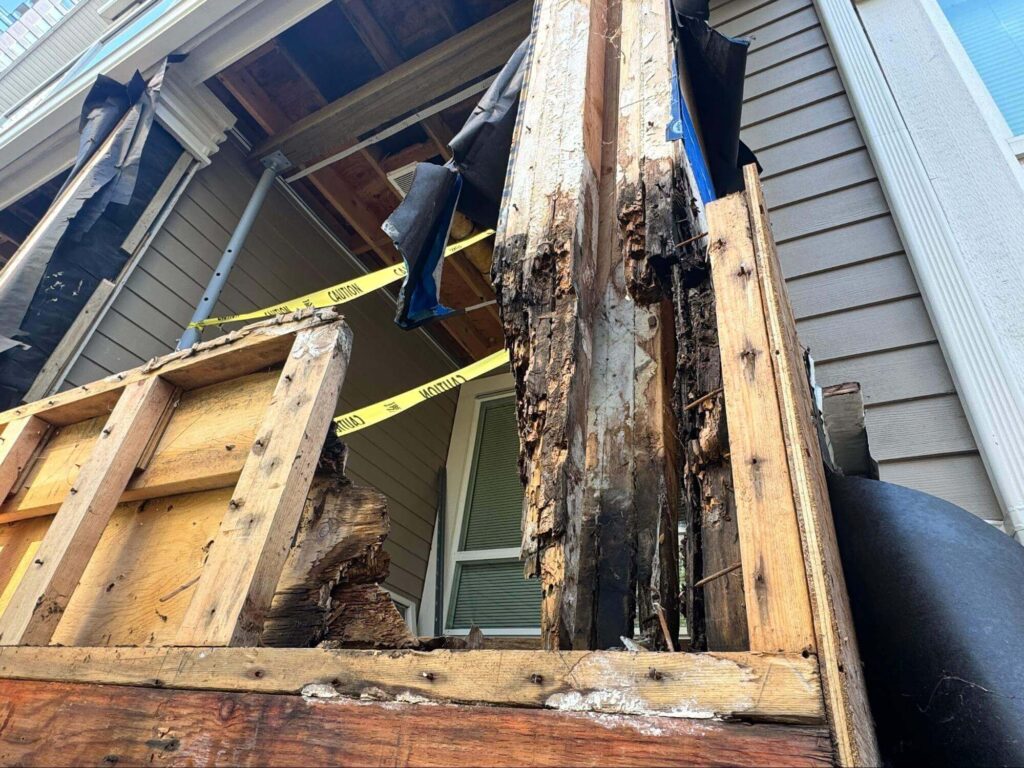
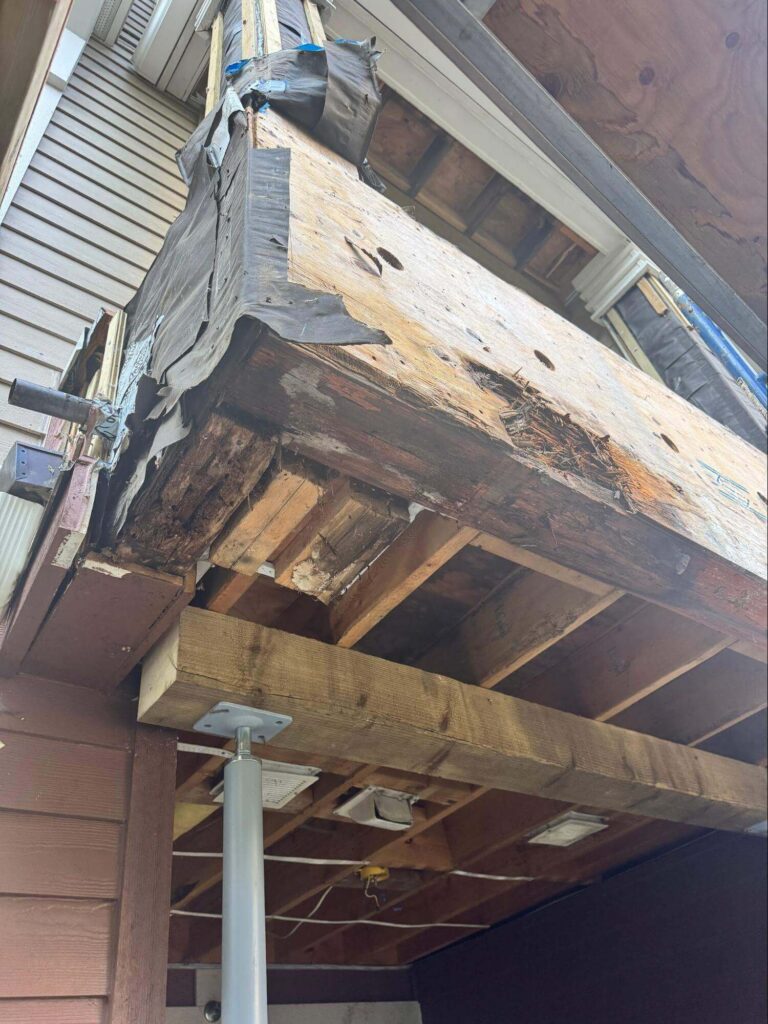
- Persistent Musty Odour After Rainfall: Smell something earthy or moldy that lingers post-rain? That’s often the scent of fungal growth deep within the wood. It’s subtle at first but intensifies as rot advances. This sign is tricky because it could mimic general dampness, but if it’s concentrated near drains or edges, don’t ignore it, it’s your balcony’s cry for help.
Regularly inspecting these areas with a flashlight and screwdriver (gently probe soft spots) can reveal hidden issues. If you’re unsure, snap photos over time to track changes.
Why Rot Spreads So Fast in the Lower Mainland
Rot doesn’t creep; it sprints, especially here. The combination of high humidity (often 70-90% year-round) and mild temperatures creates an ideal fungal incubator. Moisture infiltrates through vulnerabilities like failed caulking around posts, aging waterproofing membranes that crack from UV exposure, or open seams where materials meet. Persistent balcony water leakage is one of the most common culprits accelerating this process.
Once inside, fungi like brown rot or white rot break down wood at an alarming rate, sometimes weakening structures by 50% in just a few months. Small leaks from clogged drains or improper sloping turn into big problems: water pools, soaks in, and spreads laterally along joists and beams. Ledger boards, which attach the balcony to the building, are particularly at risk; if they fail, the entire structure could detach.
Consider this: A minor crack might let in a teaspoon of water per rain event, but over a season, that’s gallons feeding decay. In strata complexes, shared walls mean rot can migrate between units, turning a personal issue into a building-wide crisis. Factors like poor initial construction or deferred maintenance amplify the speed, Situations may occur where ignored leaks led to full balcony replacements costing over $20,000 – $40,000 or even $50,000 per unit.
Preventive Balcony Maintenance Tips to Prevent Rot in Strata Properties
Prevention beats cure every time. By following these habits, you can extend your balcony’s life and prevent balcony rot, avoiding costly surprises. Think of it as routine check-ups for your outdoor space:
- Inspect Balconies Every Spring and Fall: Make it a seasonal ritual, especially after heavy rains or windstorms. Walk the perimeter, check for cracks, and test for softness. Use a moisture meter (available at hardware stores for under $50) for precise readings, anything over 20% spells trouble.
- Replace Caulking Every 3-5 Years: Caulking seals gaps around railings, doors, and edges. Over time, it dries out and cracks in our variable weather. Opt for high-quality, flexible silicone caulk rated for exterior use. Pro tip: Clean old caulk thoroughly before reapplying to ensure a watertight bond.
- Keep Drain Scuppers Clear and Ensure Proper Water Flow: Scuppers (those small drains) are your balcony’s lifeline. Clear leaves, debris, or ice buildup regularly. Slope your balcony slightly away from the building to direct water outward, even a 1% grade makes a difference. If drains clog, water backs up and seeps into seams.
- Schedule Professional Envelope Inspections Every 2-3 Years: Building envelopes (the outer skin) include balconies. Hire a certified inspector to assess membranes, flashing, and hidden areas. They use tools like infrared cameras to detect moisture without destructive testing. If membranes are severely damaged, balcony membrane replacement may be recommended to prevent further rot and ensure long-term protection. For stratas, this can be a group expense that pays dividends in longevity.
Additional tips: Choose rot-resistant materials like pressure-treated wood or composites for repairs. Avoid stacking heavy items in one spot to prevent stress on weakened areas. And if you’re planting, use elevated pots to improve airflow and reduce moisture contact.
Lower Mainland Balcony Failure: What It Could Cost Your Strata
To bring this home, consider a recent example from a Coquitlam condo complex. Residents noticed a faint musty smell and minor discoloration on their balconies after a wet winter. Ignoring it, they waited, until a railing loosened during a family gathering. A professional balcony structural inspection revealed extensive joist rot from a failed membrane, costing the strata $150,000 in repairs. Early intervention could have limited it to a few thousand. Moral? Vigilance saves money and headaches.
Conclusion: Stop Balcony Rot and Access Professional Strata Services
Balcony rot might be inevitable in our rainy paradise, but catastrophic damage isn’t. By spotting early signs through regular balcony rot detection, understanding the rapid spread, and committing to maintenance, you can protect your investment and enjoy your outdoor oasis worry-free. If you spot any warning signs or just want reassurance, don’t delay, hidden damage can escalate quickly.
At GC West, we specialize in rot detection, balcony restoration, and waterproofing renewal tailored to the Lower Mainland’s unique challenges. Our experts use non-invasive techniques to uncover issues before they become emergencies. A one-hour site visit could save you thousands in structural repairs and provide your strata with peace of mind ahead of the next rainy season. Contact us today at info@gcwest.ca or visit our website to schedule an inspection. Your balcony and your wallet will thank you!